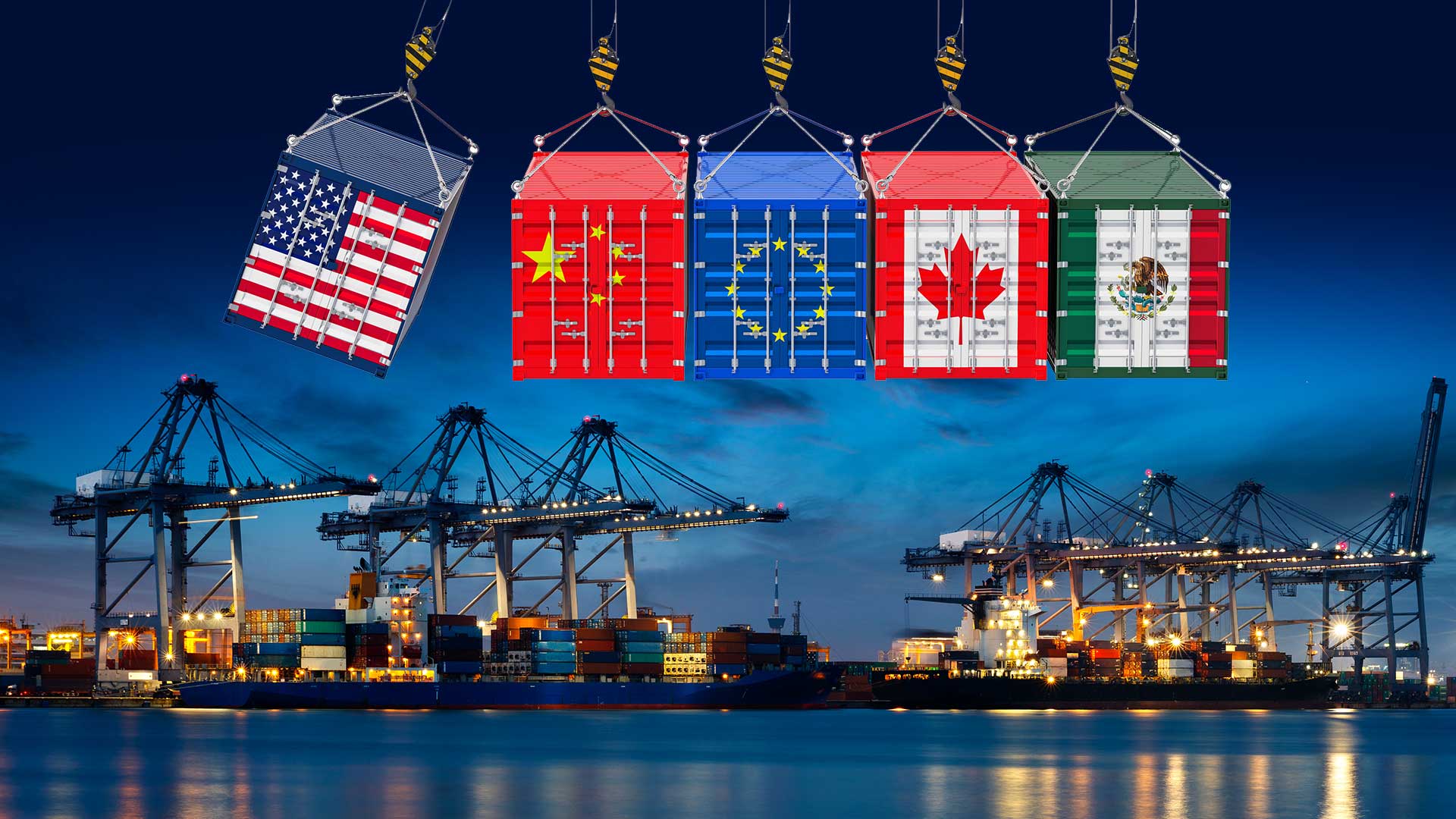

Emerging Markets: Opportunities, Risks, and Their Role in the World Economy
 Jurnalis di Nalar
September 18, 2025 09:07
.
11 min read
Jurnalis di Nalar
September 18, 2025 09:07
.
11 min read
The global economy is a complex web of trade, investment, technology, and policy. Within this system, emerging markets hold a unique position. They are economies that are not yet fully developed but are moving rapidly toward modernization and industrialization. Countries such as India, Brazil, Indonesia, Turkey, and South Africa represent this category. Their importance has grown significantly in the last three decades, reshaping global trade flows, investment strategies, and international policies.
This article explores the opportunities and risks associated with emerging markets, highlighting their role in the world economy. We will examine why they matter, how investors approach them, the challenges they face, and what the future might hold.
What Are Emerging Markets?
Emerging markets (EMs) are economies that fall between developing and developed status. They typically feature:
-
Rapid GDP growth
-
Expanding middle classes
-
Increasing industrialization and urbanization
-
Financial markets that are becoming more sophisticated
Well-known examples include:
-
China – the largest emerging market, though now often debated as a developed power.
-
India – with high growth potential and a young population.
-
Brazil and Mexico – key Latin American players.
-
South Africa and Nigeria – representing Africa’s economic hubs.
Organizations like MSCI and the International Monetary Fund (IMF) classify economies differently, but they generally agree that emerging markets contribute significantly to global growth.
The Growth Story of Emerging Markets
Rising GDP Contributions
Emerging markets are responsible for over half of global GDP (in purchasing power parity terms). Much of this comes from rapid industrialization and growing consumer demand. For example, India has averaged GDP growth rates of 6–7% over the past decade, far outpacing most developed nations.
Demographic Advantages
One of the most powerful growth drivers is demographics. Many EMs have younger populations, providing both a labor force and a growing consumer base. Contrast this with developed economies like Japan or much of Europe, where aging populations slow down growth.
Expanding Middle Class
With rising incomes, millions of people in emerging markets are moving into the middle class. This shift fuels demand for better housing, healthcare, education, and consumer goods. Companies from technology giants to fast-food chains see EMs as their largest potential customer base.
Infrastructure Development
Large-scale infrastructure projects are another key driver. From new airports in Turkey to smart cities in India, emerging markets are investing heavily in physical and digital infrastructure. These developments not only create jobs but also enhance productivity and competitiveness.
Opportunities for Investors
1. Higher Returns
Historically, emerging markets offer higher growth rates than developed markets, translating into potentially higher returns for investors. Stocks, real estate, and private equity in EMs can grow faster than in slow-growth economies.
2. Diversification Benefits
Investing in EMs adds diversification to a portfolio. Since these markets do not always move in sync with developed markets, they can help spread risk.
3. Technological Leapfrogging
Unlike developed countries, many EMs are skipping older technologies and adopting the latest innovations. For example, Africa has embraced mobile banking widely, bypassing traditional banking systems. This opens opportunities in fintech, e-commerce, and renewable energy.
4. Natural Resources
Many emerging markets are rich in natural resources—oil, gas, rare earth metals, and agricultural products. As global demand for energy and raw materials increases, these nations hold strategic importance.
5. Growing Consumer Markets
Multinational companies view EMs as future profit centers. With urbanization and income growth, industries like consumer electronics, automobiles, fashion, and healthcare are booming in these regions.
Key Risks in Emerging Markets
While opportunities are abundant, risks are equally significant.
1. Political Instability
Government changes, corruption, and weak institutions can create uncertainty. For example, sudden policy shifts in Latin America have often spooked investors.
2. Debt Burdens
Many EMs take on external debt to finance development. If global interest rates rise or currencies weaken, repayment becomes harder, leading to debt crises.
3. Currency Volatility
Unlike the U.S. dollar or euro, EM currencies can fluctuate wildly. This adds another layer of risk for investors, especially in global trade and investment.
4. Dependence on Commodities
Resource-rich countries like Venezuela or Nigeria are highly dependent on oil exports. Commodity price swings can dramatically affect their economies.
5. Weak Infrastructure and Institutions
While some nations are improving, others still suffer from poor infrastructure, lack of transparency, and inefficient legal systems. These issues discourage long-term investment.
The Role of Emerging Markets in the World Economy
Emerging markets are no longer “secondary players.” Their influence touches nearly every aspect of the global economy.
Driving Global Growth
Most of the world’s economic expansion in the 21st century has come from EMs. China and India alone have lifted hundreds of millions out of poverty, expanding global demand for goods and services.
Trade Integration
EMs are deeply integrated into global trade. China is the world’s largest exporter, while countries like Vietnam and Mexico have become manufacturing hubs.
Financial Markets
Emerging markets are home to some of the world’s fastest-growing stock exchanges. The Shanghai Stock Exchange and Bombay Stock Exchange rival Western markets in trading volumes.
Global Politics and Influence
As their economies grow, EMs gain political weight. Groups like BRICS (Brazil, Russia, India, China, South Africa) show how these nations aim to challenge traditional Western dominance in global institutions.
Case Studies of Emerging Markets
China: From Emerging to Global Power
China is often cited as the most successful emerging market story. In just four decades, it transformed from a largely agrarian economy to the world’s second-largest economy. Through manufacturing, exports, and technology, China has reshaped global trade.
India: The Young Workforce Advantage
India’s strength lies in its young population, IT services, and a fast-growing digital economy. With initiatives like “Make in India,” it aims to become a global manufacturing hub.
Brazil: Commodities and Challenges
Brazil has vast natural resources and agricultural strength but struggles with political instability and corruption. It highlights how opportunities and risks go hand in hand.
Africa: The Frontier of Growth
Africa, with its rapidly urbanizing population and untapped resources, is often called the “final frontier” for growth. Mobile technology adoption shows its potential to leapfrog development barriers.
Challenges to Watch in the Future
-
Climate Change – EMs are vulnerable to climate impacts like floods and droughts, which threaten food security.
-
Debt Sustainability – Rising global interest rates could trigger crises in heavily indebted nations.
-
Geopolitical Tensions – Trade wars, sanctions, and regional conflicts can derail growth.
-
Technology and Automation – While offering opportunities, automation may reduce the advantage of cheap labor in EMs.
-
Inequality – Rapid growth often creates wealth gaps, which can lead to social unrest.
Strategies for Navigating Emerging Markets
For policymakers and investors, success in EMs requires careful strategies:
-
Diversify Exposure: Spread investments across multiple EMs rather than relying on a single country.
-
Focus on Long-Term Growth: Short-term volatility is common, but long-term trends remain positive.
-
Hedge Currency Risks: Investors should use financial instruments to manage currency fluctuations.
-
Prioritize Sustainable Investments: Sectors like renewable energy, healthcare, and technology offer growth with resilience.
-
Understand Local Contexts: Political, cultural, and regulatory environments vary widely.
Sector-Specific Opportunities in Emerging Markets
While it is easy to speak about emerging markets in broad terms, opportunities often become clearer when looking at specific sectors.
Technology and Digital Economy
The digital transformation in EMs is happening at remarkable speed. For instance:
-
E-commerce is booming in countries like India, Indonesia, and Brazil. Millions of first-time internet users are skipping physical retail and heading straight online.
-
Fintech has disrupted traditional banking. Mobile payment platforms such as M-Pesa in Kenya and Paytm in India have enabled financial inclusion for millions of unbanked citizens.
-
Artificial Intelligence and Cloud Computing adoption is rising as local startups and global tech companies expand into these markets.
Renewable Energy and Sustainability
As climate change accelerates, EMs are under pressure to balance growth with sustainability. Many are investing heavily in solar, wind, and hydroelectric power. For example:
-
India aims to generate 50% of its energy from renewables by 2030.
-
Brazil has become a global leader in biofuels.
-
South Africa is diversifying from coal toward solar and wind.
Healthcare and Pharmaceuticals
With rising incomes and larger populations, demand for healthcare services is increasing rapidly. Emerging markets face challenges like underdeveloped hospital systems and limited access to medicine, but this creates investment opportunities in telemedicine, pharmaceuticals, and health insurance.
Real Estate and Urbanization
Urbanization is a powerful trend. By 2050, over two-thirds of the global population will live in cities, with much of this growth happening in EMs. This drives demand for housing, offices, and commercial spaces. Infrastructure-linked real estate—such as logistics hubs for e-commerce—has strong potential.
Comparing Emerging and Developed Markets
Understanding emerging markets also requires comparing them with their developed counterparts.
Growth Rates
-
Developed economies such as the U.S., Japan, and Western Europe typically grow at 1–3% annually.
-
Emerging economies often post growth rates of 4–7% or more, though with greater volatility.
Risk Profiles
-
Developed markets offer stability, stronger legal systems, and mature financial markets.
-
Emerging markets provide growth but come with risks like political instability and currency volatility.
Investment Returns
Historically, EM equities can outperform developed markets during global growth cycles, but they also fall harder during crises.
Global Investors and Emerging Markets
Major financial institutions recognize the potential of EMs and allocate significant funds to them.
Institutional Investment
Large asset managers like BlackRock, Vanguard, and Fidelity include EM-focused funds in their portfolios. Exchange-traded funds (ETFs) tracking indexes such as the MSCI Emerging Markets Index give global investors access to dozens of EM stocks in one instrument.
Sovereign Wealth Funds
Countries with excess reserves, such as those in the Middle East, often invest heavily in EMs to diversify away from oil dependency.
Venture Capital and Startups
EMs are also becoming hotbeds for startups. For example, India and Brazil have produced dozens of “unicorns” (startups valued at over $1 billion) in sectors like fintech, e-commerce, and logistics.
The Future of Emerging Markets
Looking ahead, several themes are likely to define the trajectory of EMs.
Digital Transformation as a Growth Engine
The combination of smartphones, affordable internet, and young populations will accelerate digital adoption. This could allow EMs to leapfrog traditional development stages and move directly into knowledge-driven economies.
Regional Power Shifts
-
Asia is expected to dominate the EM landscape, with China, India, and Southeast Asia leading growth.
-
Africa will emerge as the next growth frontier due to demographics and resources.
-
Latin America will remain resource-rich but will need political stability to fully realize its potential.
Integration into Global Supply Chains
The COVID-19 pandemic exposed the risks of relying too heavily on one region (e.g., China) for manufacturing. Many multinational companies are now practicing “China + 1” strategies, shifting some production to Vietnam, India, and Mexico.
Green Economy Transition
Global climate goals will push EMs to adopt renewable energy, electric mobility, and sustainable agriculture. Those that adapt quickly could become leaders in green industries.
Practical Guide for Businesses Entering Emerging Markets
For companies considering expansion into EMs, success depends on understanding local dynamics.
-
Market Research: Businesses must study consumer behavior, regulatory environments, and cultural differences.
-
Local Partnerships: Collaborating with local firms helps navigate legal and social landscapes.
-
Adaptation of Products: Multinationals often need to tailor products to local tastes and price sensitivity. For example, McDonald’s in India offers vegetarian options not found in the U.S.
-
Long-Term Patience: EMs are not “get-rich-quick” markets. They reward firms willing to invest in relationships and brand-building.
-
Corporate Social Responsibility: Building trust often requires demonstrating social and environmental commitment.
Emerging markets remain a paradox of high potential and high uncertainty. They are engines of global growth, home to rising middle classes, abundant resources, and dynamic entrepreneurs. At the same time, they carry risks—political volatility, debt burdens, and vulnerability to global shocks.
For investors, businesses, and policymakers, the task is to approach EMs with a balanced strategy: embrace the opportunities while preparing for risks. The world economy cannot grow without them, and their influence will only expand in the decades ahead.
The story of emerging markets is not just about economics—it is about the future of globalization, innovation, and human progress.
Conclusion
Emerging markets are central to the story of the 21st-century global economy. They present extraordinary opportunities—from expanding consumer bases to technological innovation—while also carrying significant risks such as political instability and debt burdens.
For investors, policymakers, and businesses, the key lies in balancing optimism with caution. By understanding their dynamics, one can harness the growth potential of EMs while navigating the challenges.
As the world economy evolves, emerging markets will continue to reshape global trade, investment, and politics, making them impossible to ignore
You might also like