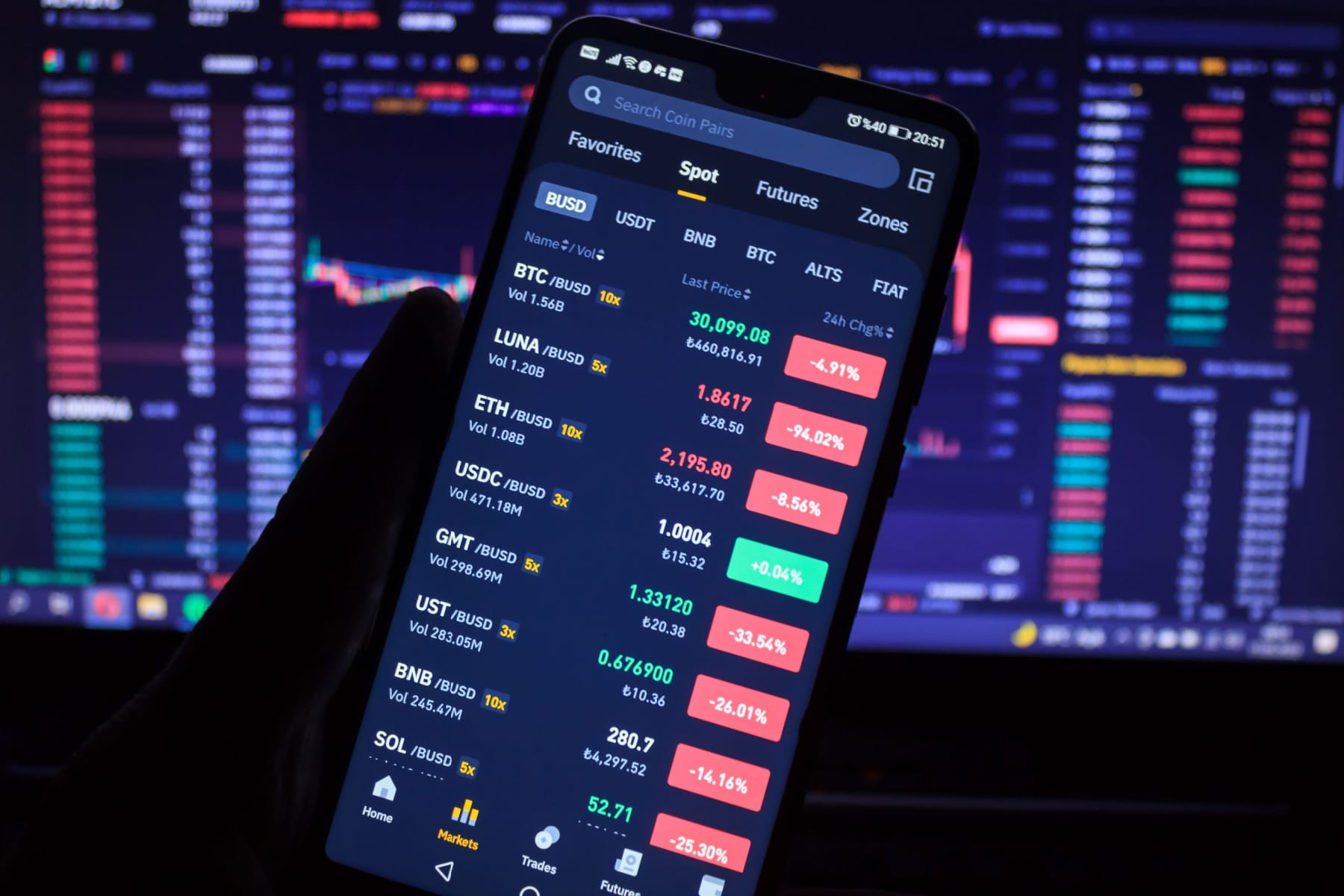

Decentralized Finance (DeFi): Disrupting Traditional Banking Systems
 Jurnalis di Nalar
September 18, 2025 08:52
.
7 min read
Jurnalis di Nalar
September 18, 2025 08:52
.
7 min read
The world of finance is undergoing a radical transformation. For centuries, traditional banks and centralized financial institutions have controlled how money flows, who gets access to credit, and how investments are managed. But in the past decade, a groundbreaking innovation known as Decentralized Finance (DeFi) has begun to challenge the old order. Built on blockchain technology, DeFi promises to create an open, transparent, and borderless financial system where anyone with an internet connection can participate.
This article explores what DeFi is, how it works, the opportunities and risks it brings, its use cases across the globe, and the regulatory landscape shaping its future.
The Evolution of Money: From Barter to DeFi
To understand DeFi, it helps to revisit the history of money. Humanity began with barter, exchanging goods directly. This system was inefficient, so commodities like gold and silver became early forms of currency. Eventually, paper money emerged, backed by governments and central banks.
The 20th century saw the rise of digital banking, credit cards, and electronic transfers. While convenient, these systems remained under the control of centralized entities. With the invention of Bitcoin in 2009, a new form of money was born—one that operates independently of governments or banks. Building upon that, DeFi represents the next stage: a fully decentralized financial ecosystem.
What is Decentralized Finance (DeFi)?
Decentralized Finance, or DeFi, refers to a blockchain-based financial ecosystem that eliminates intermediaries such as banks, brokers, or payment processors. Instead of relying on a centralized authority, DeFi uses smart contracts—self-executing code on blockchains like Ethereum—that enable users to lend, borrow, trade, save, or invest without third-party intervention.
Key Characteristics of DeFi:
- Permissionless access – Anyone can join without needing approval from a bank or government.
- Transparency – All transactions are recorded on public blockchains, ensuring visibility and accountability.
- Programmability – Smart contracts automate processes like lending, yield farming, or insurance payouts.
- Interoperability – DeFi protocols are designed to work together, creating a vast ecosystem of interconnected applications.
How Does DeFi Work?
At the heart of DeFi lies blockchain technology and smart contracts. Unlike traditional finance where banks hold custody of funds, DeFi users interact directly with protocols through crypto wallets like MetaMask or Trust Wallet.
The Building Blocks of DeFi:
- Smart Contracts – Self-executing code that automates financial agreements.
- Decentralized Applications (dApps) – Interfaces that connect users to protocols.
- Stablecoins – Digital assets pegged to fiat currencies.
- Liquidity Pools – Crypto deposited by users that others can trade or borrow.
Popular DeFi Protocols:
- Uniswap – A decentralized exchange.
- Aave – A lending and borrowing platform.
- MakerDAO – Creator of the DAI stablecoin.
- Compound – A protocol for earning interest.
Key Use Cases of DeFi in the Real World
1. Lending and Borrowing
DeFi platforms allow users to borrow against crypto holdings or lend their assets for interest. Unlike banks, approvals are instant, and collateral ensures security.
2. Decentralized Exchanges (DEXs)
Users can trade cryptocurrencies directly without intermediaries. Liquidity pools replace market makers, reducing costs.
3. Insurance Protocols
DeFi introduces decentralized insurance, where communities pool funds to cover risks such as hacks or contract failures.
4. Asset Tokenization
Real-world assets like real estate, art, or stocks can be tokenized, allowing fractional ownership and global access.
5. Cross-Border Payments
DeFi enables instant and low-cost international transfers, bypassing slow and expensive banking systems like SWIFT.
Opportunities in DeFi
The rapid growth of DeFi has created numerous opportunities:
- Financial Inclusion – Access for unbanked populations.
- Higher Returns – Yield farming and staking often beat bank interest rates.
- Transparency – Public blockchains reduce hidden fees.
- Innovation – Open-source protocols foster rapid experimentation.
- Lower Costs – No intermediaries mean cheaper transactions.
How DeFi Empowers Emerging Economies
In developing countries, millions remain unbanked or underbanked. DeFi offers:
- Microloans for small entrepreneurs.
- Remittance solutions for workers sending money home.
- Global investment access that was previously restricted.
- Hedging against inflation, as crypto and stablecoins may hold value better than local currencies.
Risks and Challenges of DeFi
1. Smart Contract Vulnerabilities
Bugs can cause massive losses without recourse.
2. Market Volatility
Crypto prices fluctuate dramatically, impacting collateralized loans.
3. Scams and Rug Pulls
Bad actors create fake projects to steal funds.
4. Lack of Consumer Protection
No deposit insurance like in traditional banks.
5. Regulatory Uncertainty
Governments struggle to define clear rules for DeFi.
The Role of Stablecoins in DeFi Growth
Stablecoins are the backbone of DeFi, providing stability in a volatile market.
- Use Cases – Payments, lending, and hedging.
- Risks – De-pegging events, such as the TerraUSD collapse in 2022.
- Regulation – Many governments are exploring stablecoin-specific rules to ensure safety.
Security Measures in DeFi
- Smart Contract Audits – Independent reviews to detect bugs.
- Multi-Signature Wallets – Require multiple approvals for transactions.
- Decentralized Insurance – Covering risks of hacks or exploits.
- Best Practices for Users – DYOR (Do Your Own Research), use of cold wallets, and avoiding suspicious projects.
The Future of Global DeFi Regulation
Current Approaches:
- United States – SEC and CFTC increasing oversight.
- European Union – MiCA framework for crypto assets.
- Asia – Singapore and Japan fostering innovation with safeguards.
- Developing Nations – Balancing financial inclusion with fraud prevention.
Possible Future Scenarios:
- Regulatory sandboxes for controlled experimentation.
- Decentralized identity (DID) integration for compliance.
- Global cooperation on cross-border DeFi regulation.
Integration of DeFi with Web3 and the Metaverse
DeFi is expected to play a central role in digital economies:
- Metaverse payments – DeFi wallets as default payment systems.
- NFT lending – Using NFTs as collateral for loans.
- Play-to-Earn (P2E) economies – DeFi supporting in-game financial ecosystems.
DeFi vs. Traditional Banking: A Comparative View
| Feature | Traditional Banking | DeFi |
|---|---|---|
| Accessibility | Requires approval | Open to anyone with internet |
| Intermediaries | Banks, brokers | None, only smart contracts |
| Transparency | Opaque | Public blockchain |
| Speed of Transactions | Hours to days | Seconds to minutes |
| Interest Rates | Low (0.1–1%) | High (5–20%+) |
| Risks | Fraud, inflation | Bugs, volatility, hacks |
Predictions: What Will DeFi Look Like in 2030?
Looking ahead, DeFi could evolve into a mainstream financial system:
- Mass Adoption – DeFi apps as easy to use as mobile banking.
- Hybrid Finance (TradFi + DeFi) – Banks integrating DeFi protocols.
- Tokenization of Everything – Stocks, bonds, real estate, and even identities.
- Central Bank Digital Currencies (CBDCs) – Coexisting with or competing against DeFi.
- Improved Stability – With mature regulations and stronger security.
FAQ Section
What is the main purpose of DeFi?
The primary purpose of DeFi is to create an open, borderless, and transparent financial system that operates without banks or intermediaries. It empowers individuals to manage, lend, borrow, and invest assets directly through blockchain technology.
How does DeFi differ from traditional banking?
Traditional banking relies on centralized intermediaries such as banks, credit unions, and regulators. DeFi, on the other hand, uses smart contracts on blockchains, eliminating intermediaries and giving users direct control of their funds.
Is DeFi safe to use?
DeFi provides transparency and high returns, but it comes with risks such as smart contract bugs, market volatility, and scams. Users should always research projects, use audited platforms, and store assets in secure wallets.
Why are stablecoins important in DeFi?
Stablecoins act as the backbone of DeFi, providing stability in an otherwise volatile crypto market. They are widely used in lending, borrowing, and payments. However, risks like de-pegging make regulation increasingly important.
Can DeFi help the unbanked?
Yes. DeFi enables anyone with an internet connection to access loans, savings, and investment opportunities, making it a powerful tool for financial inclusion in emerging economies.
Will DeFi replace banks in the future?
While DeFi may not entirely replace banks, it is likely to coexist with traditional finance. A hybrid model could emerge where banks integrate DeFi protocols, and DeFi platforms adopt compliance standards.
What is the future of DeFi by 2030?
By 2030, DeFi could see mass adoption, integration with traditional finance, tokenization of real-world assets, and widespread regulatory frameworks. Central Bank Digital Currencies (CBDCs) may also play a role in shaping its ecosystem.
Conclusion
Decentralized Finance (DeFi) represents a revolutionary shift in how we think about money, banking, and global financial systems. By eliminating intermediaries, increasing transparency, and providing borderless access, DeFi has the potential to democratize finance for billions.
Yet, as with any disruptive technology, opportunities come with risks. Smart contract vulnerabilities, scams, and regulatory uncertainty remain pressing challenges. The future of DeFi will depend on how well the ecosystem balances innovation with security, and how governments across the globe choose to regulate this new financial frontier.
One thing is certain: DeFi is no longer a niche experiment. It is a growing force that is reshaping traditional banking systems and redefining the very nature of global finance.