
Global Recession Cycles: What History Teaches Us About Economic Downturns
Economic downturns are an inevitable part of global financial history. While each crisis appears unique in its immediate causes, the broader patterns reveal striking similarities. By studying past recessions, such as the Great Depression of 1929, the Asian Financial Crisis of 1997, the Global Financial Crisis of 2008, and the COVID-19 pandemic in 2020, we can better understand how economic cycles function, how societies respond, and how future downturns may unfold.
This article explores the key lessons from history, the recurring themes across recessions, and what they may teach us about preparing for the next global shock.
Understanding Economic Downturns
A recession is typically defined as a significant decline in economic activity across the economy, lasting more than a few months. It is visible in GDP contraction, rising unemployment, falling consumer spending, and weakened business investments. While the triggers may differ — from financial speculation to health crises — the consequences often converge: loss of wealth, reduced confidence, and structural reforms.
Also Read: How Inflation Shapes the Global Economy
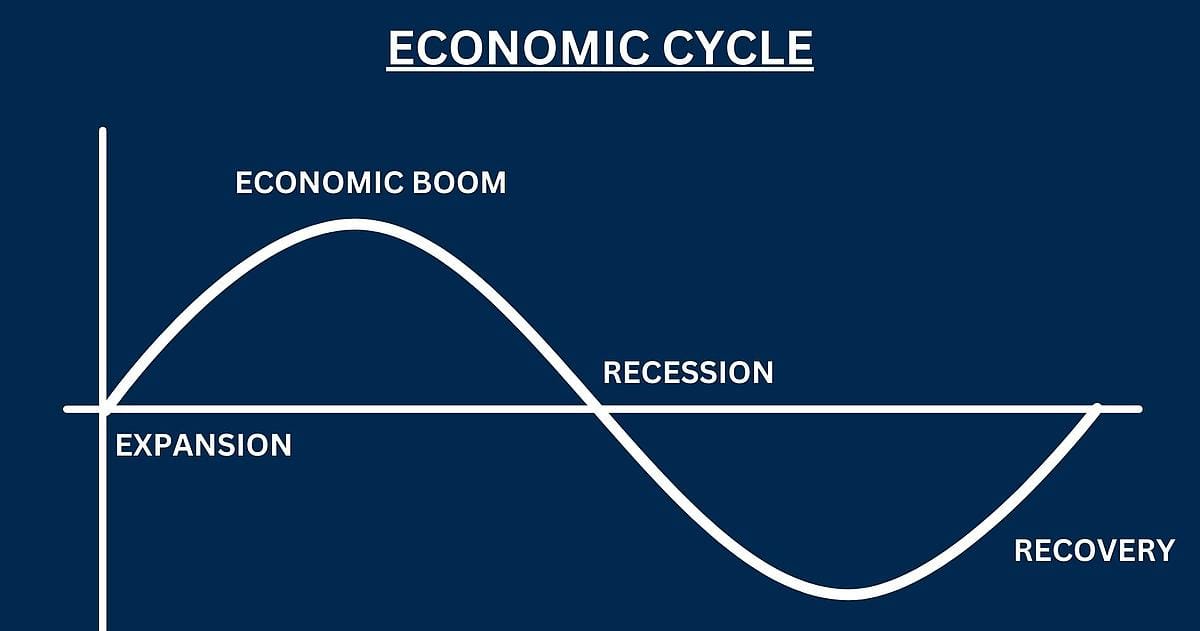
Economists often describe downturns as part of the business cycle, a natural rhythm of expansion, peak, contraction, and recovery. Yet, when a downturn is severe and global, it becomes a crisis with lasting consequences.
The Great Depression of 1929: The Longest Economic Winter
The Great Depression remains the most devastating economic collapse in modern history. Sparked by the U.S. stock market crash in October 1929, it quickly spiraled into a global crisis. By 1933, U.S. unemployment had reached 25%, and global trade had fallen by nearly two-thirds.
Key Lessons:
-
Financial Speculation Can Trigger Systemic Collapse
Excessive speculation in the 1920s stock market, coupled with loose credit, inflated asset prices until the bubble burst. -
Global Interdependence Matters
The Depression spread worldwide because economies were deeply linked through trade and finance. -
Policy Response Shapes Recovery
Governments initially tightened monetary policy, worsening the crisis. Later, New Deal reforms and wartime spending helped restore growth.
The Great Depression highlighted the need for stronger financial regulation, social safety nets, and international cooperation.
The Asian Financial Crisis of 1997: Contagion in Emerging Markets
In 1997, Thailand’s decision to float the baht triggered a wave of devaluations across Asia. Countries like Indonesia, South Korea, and Malaysia saw their currencies collapse, businesses fail, and millions pushed into poverty.
Key Lessons:
-
Currency Vulnerability Is Critical
Fixed exchange rates made many Asian economies susceptible to speculative attacks. -
Capital Flight Amplifies Weakness
International investors rapidly withdrew funds, worsening liquidity shortages. -
Reforms Can Strengthen Resilience
After the crisis, many Asian nations restructured their banking systems, built larger foreign reserves, and adopted flexible exchange rates.
The crisis demonstrated how investor confidence can shift suddenly and devastate economies that rely heavily on foreign capital.
The Global Financial Crisis of 2008: When Housing Bubbles Burst
The 2008 financial crisis, often called the Great Recession, began in the U.S. housing market. Subprime mortgage lending, combined with risky financial derivatives, caused a systemic meltdown. Major banks collapsed, credit froze, and global output plummeted.
Key Lessons:
-
Unregulated Innovation Can Be Dangerous
Mortgage-backed securities and credit default swaps multiplied risk throughout the financial system. -
Globalization Spreads Shocks Quickly
Because banks and investors worldwide held U.S. mortgage-linked assets, the crisis spread beyond American borders. -
Swift Government Intervention Matters
Massive bailouts, stimulus programs, and coordinated central bank actions prevented a complete collapse.
The 2008 crisis led to stricter regulations, such as Basel III banking standards, and renewed debate about balancing free markets with oversight.
The COVID-19 Pandemic of 2020: An Unprecedented Shock
Unlike previous recessions driven by financial bubbles or trade imbalances, the COVID-19 crisis was triggered by a global health emergency. Lockdowns halted production, travel restrictions paralyzed tourism, and unemployment soared.
Key Lessons:
-
Non-Economic Shocks Can Trigger Recessions
A virus, not a financial misstep, caused the sharpest global contraction since World War II. -
Digital Economies Provide Resilience
Businesses that embraced e-commerce, remote work, and digital services adapted more quickly. -
Government Stimulus Can Cushion Impact
Trillions of dollars in relief packages supported households and businesses, preventing deeper collapse.
The pandemic underscored the importance of public health, supply chain resilience, and global cooperation in safeguarding economic stability.
Recurring Themes Across Recessions
Looking across these crises, several themes emerge:
-
Speculation and Risk-Taking: Overconfidence often precedes collapse.
-
Global Connectivity: Crises spread faster in interconnected economies.
-
Policy Response: Governments can worsen or mitigate downturns depending on their actions.
-
Structural Change: Every crisis reshapes economies, industries, and consumer behavior.
Preparing for Future Downturns
Economists warn that new shocks are inevitable. Potential triggers include:
-
Debt Bubbles: Rising global debt levels may strain financial systems.
-
Geopolitical Conflicts: Trade wars and territorial disputes disrupt supply chains.
-
Climate Change: Extreme weather events could destabilize agriculture and infrastructure.
-
Technological Disruption: Automation and AI could create structural unemployment if not managed well.
Strategies for Resilience:
-
Diversify Economies – Avoid over-reliance on single industries.
-
Strengthen Financial Regulation – Monitor risky lending and speculative bubbles.
-
Build Safety Nets – Social welfare and unemployment benefits ease recovery.
-
Invest in Innovation – Digital transformation boosts adaptability.
-
Promote Global Cooperation – Shared challenges require coordinated solutions.
Why History Still Matters
Studying past downturns is not about predicting the exact form of the next crisis. Instead, it equips policymakers, businesses, and individuals with the tools to adapt. Each crisis leaves behind valuable lessons — about human behavior, institutional weaknesses, and resilience.
How Recessions Reshape Everyday Life
While economists often focus on numbers — GDP, unemployment, inflation — recessions also transform societies in profound ways. Families lose homes, young graduates struggle to find jobs, and entire industries can collapse. Understanding the human impact of downturns helps us see why resilience strategies are not only financial, but also social.
-
Employment Shifts
-
During the Great Depression, factory closures forced millions to migrate in search of work.
-
In 2008, white-collar workers in banking and real estate suddenly faced unemployment.
-
In 2020, service-sector employees, especially in tourism and hospitality, were hit the hardest.
Each crisis changes the labor market permanently, creating new opportunities (like tech jobs after 2008) but also eliminating older roles.
-
-
Consumer Behavior
-
Recessions often lead to “frugality booms.” Families cut unnecessary spending, save more, and focus on essentials.
-
Businesses that adapt to this behavior — such as budget-friendly products, e-commerce, and subscription models — often survive better.
-
-
Cultural & Political Impact
-
The Great Depression fueled political extremism in Europe, contributing to World War II.
-
The 1997 crisis reshaped Asian governance, pushing countries toward more transparent systems.
-
The 2008 recession sparked global protest movements like Occupy Wall Street.
-
The COVID-19 pandemic accelerated debates about healthcare, work-from-home, and wealth inequality.
-
Comparing Four Major Crises
To better understand cycles of global recessions, let’s compare them side by side.
| Crisis | Trigger | Key Impact | Policy Response | Long-Term Legacy |
|---|---|---|---|---|
| Great Depression (1929) | Stock market crash, speculation, bank failures | 25% unemployment in U.S., global trade collapse | New Deal reforms, WWII spending | Birth of modern financial regulation & welfare states |
| Asian Financial Crisis (1997) | Currency devaluation, capital flight | Severe poverty, business bankruptcies in Asia | IMF bailouts, economic reforms | Stronger Asian financial systems, flexible exchange rates |
| Global Financial Crisis (2008) | U.S. housing bubble, risky derivatives | Bank collapses, frozen credit, global unemployment | Bailouts, stimulus, stricter banking rules | Basel III regulations, rise of fintech, low-trust in banks |
| COVID-19 Recession (2020) | Global pandemic, lockdowns | Supply chain shocks, service sector collapse | Fiscal stimulus, central bank interventions | Acceleration of digital economy, remote work culture |
This comparison reveals a recurring truth: while triggers differ, the solutions often involve reform, innovation, and international coordination.
The Psychology of Recessions
Economics is not only about numbers — it is also about human psychology. Investor panic, herd behavior, and consumer confidence all influence how deep a downturn becomes.
-
Fear and Panic Selling: In 1929 and 2008, panic withdrawals and sell-offs worsened market collapses.
-
Trust and Confidence: Recovery begins only when households and investors believe conditions will improve.
-
Hope and Adaptation: After 2020, millions embraced online businesses and remote careers, turning crisis into opportunity.
This psychological cycle shows why leadership and communication are critical during recessions. When governments provide clear, credible strategies, recovery tends to be faster.
Lessons for Businesses: Surviving and Thriving
For companies, recessions are not only threats but also opportunities. History shows that firms which innovate and adapt during downturns often emerge stronger.
-
Focus on Core Strengths
Companies that survive recessions prioritize their strongest products and markets rather than chasing risky expansions. -
Embrace Digital Transformation
From the e-commerce boom post-2008 to the remote work revolution in 2020, digital adaptability determines survival. -
Cash Flow Is King
Businesses with healthy reserves and low debt are far more resilient. -
Customer-Centric Models
Recessions shift consumer priorities. Firms that deliver value and affordability (e.g., discount retailers, streaming services) thrive while luxury-only brands may struggle. -
Innovation in Crisis
-
Airbnb and Uber emerged during the 2008 recession.
-
Telemedicine and e-learning expanded rapidly in 2020.
-
This pattern suggests that every downturn also plants the seeds of next-generation industries.
Lessons for Individuals: Building Personal Resilience
Recessions may feel overwhelming, but individuals can take proactive steps:
-
Diversify Income: Side businesses, freelance work, or digital skills reduce reliance on a single employer.
-
Emergency Savings: A fund covering 6–12 months of expenses provides stability.
-
Invest Wisely: Avoid panic selling; downturns can be opportunities for long-term investors.
-
Upskill Continuously: Recessions often accelerate automation and technological shifts. Learning new skills improves employability.
-
Mental Resilience: Stress and uncertainty can harm health. Prioritizing well-being is just as important as financial planning.
Future Recession Risks
-
Climate Change
Extreme weather events may disrupt agriculture, energy, and housing markets, leading to “climate recessions.” -
Geopolitical Tensions
Trade wars, conflicts, and sanctions could destabilize global supply chains. -
Debt Crises
With record-high global debt (over 350% of global GDP in 2023), even small interest rate shocks could trigger defaults. -
Technological Disruption
Artificial intelligence and automation may displace millions of jobs, requiring careful transition policies. -
Health Crises Beyond COVID-19
New pandemics remain a possibility in an interconnected world.
Building a Recession-Proof World
While recessions cannot be eliminated, societies can reduce vulnerability and accelerate recovery through:
-
Stronger Global Cooperation: Sharing data, resources, and coordinated policy actions.
-
Resilient Supply Chains: Diversifying manufacturing locations and reducing dependence on single regions.
-
Green Economy Investments: Renewable energy, sustainable agriculture, and climate resilience projects create jobs and stability.
-
Digital Inclusion: Ensuring access to technology so all communities can benefit from digital transformation.
Evergreen Lessons From History
Looking back, the Great Depression, Asian Financial Crisis, 2008 crash, and COVID-19 recession all reinforce one truth:
-
Economies will fall, but they will also rise again.
-
Each downturn leaves scars, but also pushes humanity toward adaptation, innovation, and reform.
-
The greatest strength of societies is not avoiding crises, but learning from them.
Recession cycles are not random misfortunes — they are part of the rhythm of global capitalism. By studying history, we see patterns of speculation, collapse, reform, and renewal. While the triggers may differ, the lessons remain consistent: diversify, regulate wisely, cooperate globally, and invest in resilience.
For individuals, businesses, and nations, preparing for downturns is no longer optional — it is essential. The next recession may come from debt, climate, or technology, but by applying the wisdom of history, we can reduce its damage and emerge stronger.
Just as past crises reshaped the world, the challenges of tomorrow will create opportunities for innovation and progress. The key is not to fear recession cycles, but to understand and prepare for them.
Conclusion
From the stock market crash of 1929 to the COVID-19 pandemic of 2020, history shows that recessions are unavoidable but not unbeatable. While no strategy can prevent downturns entirely, preparedness, adaptability, and cooperation can reduce their damage and accelerate recovery.
The cycles of recession remind us that economies, like societies, are resilient. Each crisis leaves scars, but also innovations, reforms, and new opportunities. By learning from history, we are better positioned to navigate the uncertainties of the future.