
Global Trade Wars and Their Impact on Markets
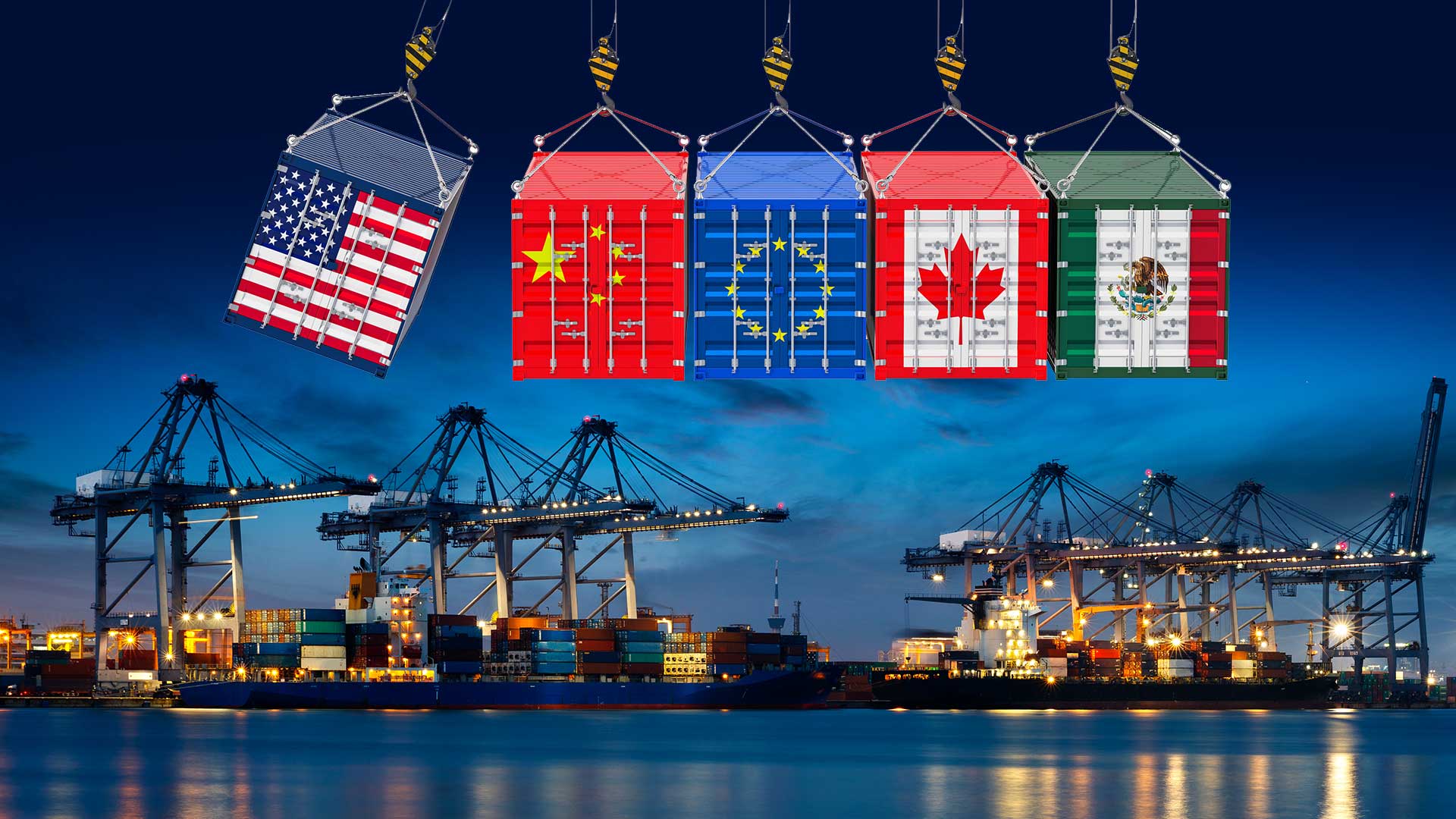
Global trade is the backbone of modern economies. Goods, services, and investments move across borders, connecting nations in ways never imagined before. Yet, the same interconnectedness that drives prosperity also makes markets vulnerable to trade conflicts. Trade wars—when countries impose tariffs, restrictions, or sanctions against each other—can reshape industries, disrupt supply chains, and influence global growth.
Over the past decades, disputes between the United States and China, the European Union’s trade policies, and World Trade Organization (WTO) cases have dominated global headlines. These conflicts raise critical questions: Who wins, who loses, and what are the long-term consequences?
This article explores the roots of trade wars, analyzes key examples, and examines how they affect markets, businesses, and everyday consumers.
Also Read: How Inflation Shapes the Global Economy
What Is a Trade War?
A trade war occurs when countries retaliate against each other’s trade policies, often through tariffs (taxes on imports), quotas, or sanctions. Unlike healthy competition, trade wars are adversarial and can escalate quickly.
Key features of trade wars include:
-
Tariffs: Duties imposed on imported goods to make them more expensive.
-
Quotas: Limits on how much of a product can be imported.
-
Subsidies: Government support for domestic industries, making exports cheaper.
-
Sanctions and bans: Restrictions on specific companies, technologies, or industries.
While leaders often justify these measures as protecting domestic jobs or national security, trade wars usually have ripple effects that impact businesses and consumers worldwide.
Historical Background of Trade Wars
Trade conflicts are not new. History shows that economic protectionism often leads to unintended consequences.
-
The Smoot-Hawley Tariff Act (1930): The U.S. raised tariffs on thousands of imports during the Great Depression. Instead of reviving the economy, it worsened global trade, deepening the crisis.
-
Japan vs. U.S. Auto Disputes (1980s): The U.S. accused Japan of unfair trade practices in the automotive sector, leading to restrictions on Japanese car exports.
-
Banana Wars (1990s): A dispute between the EU and Latin American countries over banana import rules, which lasted years in the WTO.
These examples show that while governments may seek short-term advantages, prolonged conflicts often damage global growth.
The US-China Trade War: A Modern Case Study
Perhaps the most significant trade war in recent history is the U.S.-China conflict, which began escalating in 2018.
Causes of the Dispute
-
Intellectual Property Theft: The U.S. accused China of stealing trade secrets and forcing technology transfers.
-
Trade Imbalance: The U.S. imports far more from China than it exports, creating a massive trade deficit.
-
Industrial Policy: China’s subsidies for key industries (like steel, solar panels, and semiconductors) were seen as unfair competition.
-
Geopolitical Rivalry: Beyond economics, the conflict reflects a struggle for global dominance.
Measures Taken
-
The U.S. imposed tariffs on over $360 billion worth of Chinese goods.
-
China retaliated with tariffs on U.S. agricultural products, autos, and technology.
-
Restrictions were placed on Chinese firms like Huawei, citing national security concerns.
Market Impacts
-
Stock Markets: Global markets experienced volatility, with investors reacting to every policy announcement.
-
Agriculture: U.S. farmers faced heavy losses as China reduced soybean imports.
-
Technology: Semiconductor supply chains were disrupted, leading to shortages worldwide.
-
Consumer Goods: Prices for electronics, clothing, and household items increased.
European Union Trade Policies and Disputes
The European Union (EU), as a single market, is a powerful player in global trade. Its policies often spark disputes with trading partners.
Key EU Trade Strategies
-
Common External Tariff: All EU members share the same trade rules with non-members.
-
Environmental Standards: The EU prioritizes sustainability, imposing rules that sometimes clash with exporters.
-
Digital Taxation: The EU has considered taxing big U.S. tech firms, leading to tensions with Washington.
Major Disputes
-
EU vs. U.S. Aircraft Subsidies: Airbus and Boeing have accused each other of receiving illegal subsidies, resulting in decades-long WTO battles.
-
EU Carbon Border Tax: Planned tariffs on carbon-intensive imports could spark new conflicts with countries relying on heavy industry.
-
Brexit Trade Tensions: The UK’s exit from the EU introduced new trade frictions with Europe and beyond.
WTO Disputes: The Referee of Global Trade
The World Trade Organization (WTO) acts as the referee of global commerce, settling disputes between nations.
Common WTO Cases
-
Dumping Accusations: Selling goods below cost to drive competitors out of the market.
-
Subsidy Challenges: Disputes over government financial support for industries.
-
Market Access Issues: Complaints about barriers that prevent fair competition.
Current Challenges
-
Enforcement Weakness: Some countries ignore WTO rulings if politically inconvenient.
-
Slow Resolution: Cases can take years, reducing the system’s effectiveness.
-
Geopolitical Tensions: Rising nationalism weakens multilateral cooperation.
Despite challenges, the WTO remains crucial for preventing trade conflicts from spiraling out of control.
Long-Term Consequences of Trade Wars
Trade wars may bring short-term political gains, but their long-term consequences are far-reaching.
Economic Consequences
-
Higher Consumer Prices: Tariffs act as hidden taxes on consumers.
-
Reduced Investment: Uncertainty discourages companies from expanding.
-
Slower Global Growth: The IMF estimates trade conflicts can reduce global GDP by trillions.
Business Consequences
-
Supply Chain Disruptions: Companies diversify away from conflict zones, often at higher costs.
-
Reshoring and Decoupling: Firms move production closer to home to avoid risks.
-
Innovation Barriers: Restrictions on tech transfers slow global research collaboration.
Political and Social Consequences
-
Rising Nationalism: Trade wars often fuel protectionist sentiments.
-
Strained Alliances: Economic disputes can weaken long-standing partnerships.
-
Inequality: Low-income groups often suffer most from higher prices.
How Businesses Can Adapt to Trade Wars
Smart businesses develop strategies to survive and thrive amid global trade tensions.
-
Diversifying Supply Chains: Avoiding over-reliance on one country.
-
Investing in Local Production: Building factories closer to end markets.
-
Hedging Against Currency Risks: Protecting profits from exchange rate swings.
-
Lobbying and Policy Engagement: Influencing government trade decisions.
By staying flexible, companies can turn risks into opportunities.
The Future of Global Trade: Cooperation or Fragmentation?
The future of global trade is uncertain. Two possible paths emerge:
-
Cooperation: Nations reform the WTO, reduce tariffs, and strengthen multilateral agreements. This would stabilize markets and foster growth.
-
Fragmentation: Rising nationalism, sanctions, and technological barriers create separate economic blocs. This could reduce efficiency and limit innovation.
Which path the world chooses will define the global economy for decades to come.
The Role of Emerging Markets in Trade Conflicts
While headlines often focus on the U.S., China, and the European Union, emerging markets also play a significant role in trade dynamics. Countries like India, Brazil, South Africa, and Vietnam are becoming critical players in global supply chains.
How Emerging Markets Are Affected
-
Shifting Supply Chains: As companies diversify away from China, countries like Vietnam and India benefit from increased manufacturing investment.
-
Commodity Exports: Nations dependent on raw materials, such as Brazil (soybeans, iron ore) or Indonesia (palm oil, coal), are vulnerable when tariffs or sanctions affect demand.
-
Currency Volatility: Trade tensions often trigger exchange rate fluctuations, impacting emerging economies that rely on stable exports.
Opportunities for Growth
Despite challenges, trade wars can open doors for emerging markets:
-
New Trade Deals: Regional agreements like ASEAN and MERCOSUR strengthen local cooperation.
-
Digital Economy Expansion: Countries with strong IT sectors (e.g., India) attract outsourcing as firms seek cost efficiency.
-
Neutral Alternatives: Some nations act as “middle grounds” where both U.S. and Chinese firms establish operations to bypass restrictions.
Trade Wars and the Technology Industry
Few sectors are as deeply affected by trade wars as technology. From smartphones to semiconductors, technology is at the heart of global competition.
The U.S.-China Tech Rivalry
-
5G Networks: The U.S. restricted Chinese companies like Huawei, citing security concerns, which reshaped global telecom contracts.
-
Semiconductors: Chips are the “new oil” of the digital age. Export restrictions on advanced semiconductors have slowed China’s access to cutting-edge technology.
-
Artificial Intelligence (AI): Both nations see AI as a driver of future dominance, leading to competing regulations and barriers.
Global Market Effects
-
Supply Chain Reconfiguration: Taiwan and South Korea have gained influence as key semiconductor hubs.
-
Rising Costs: Shortages in chips disrupted industries from cars to gaming consoles.
-
Innovation Splits: The risk of a “tech bifurcation,” where U.S. and Chinese ecosystems evolve separately, could create long-term inefficiencies.
Consumer Impact: Hidden Costs of Trade Wars
Trade wars are often discussed in terms of government policies and corporate strategies, but the end consumers ultimately bear much of the burden.
-
Higher Prices: Tariffs make imported goods more expensive, raising costs for electronics, clothing, food, and more.
-
Limited Choices: Sanctions or restrictions reduce the availability of certain brands or products.
-
Job Uncertainty: While some industries gain protection, others lose competitiveness, leading to layoffs or wage stagnation.
-
Inflationary Pressure: Prolonged trade disputes can fuel inflation, as higher costs ripple across supply chains.
For everyday people, these effects are often invisible at first but accumulate over time, reducing purchasing power and slowing economic mobility.
Environmental and Social Dimensions of Trade Wars
Beyond economics, trade wars also influence sustainability and social equity.
Environmental Consequences
-
Carbon Footprint: Tariffs and supply chain shifts may increase transportation distances, raising emissions.
-
Green Standards: The EU’s push for sustainable trade rules forces exporters to meet higher environmental standards, sparking disputes but also driving eco-friendly reforms.
-
Resource Conflicts: Restrictions on rare earth elements—a key component in clean energy and electronics—can trigger global competition for resources.
Social Impacts
-
Labor Markets: Industries reliant on low-cost manufacturing face instability, which directly affects workers in developing nations.
-
Global Inequality: Wealthier nations can absorb shocks better, while poorer countries suffer disproportionately.
-
Political Unrest: Economic downturns linked to trade wars sometimes fuel protests and political instability.
Case Study: The U.S.-EU Dispute Over Steel and Aluminum
A practical example of how trade wars unfold is the steel and aluminum dispute between the U.S. and the EU.
-
In 2018, the U.S. imposed tariffs on steel (25%) and aluminum (10%), citing national security.
-
The EU retaliated with tariffs on American products like motorcycles, bourbon, and orange juice.
-
The dispute escalated, straining the transatlantic alliance, until both sides agreed to suspend tariffs in 2021.
Lessons Learned
-
National Security Justifications: Labeling imports as security threats can spark disproportionate responses.
-
Collateral Damage: Industries unrelated to steel, like agriculture and beverages, were pulled into the conflict.
-
Temporary Relief: Suspension of tariffs reduced tensions, but unresolved issues leave the door open for future disputes.
How Investors Navigate Trade Wars
Investors closely monitor trade wars because they influence stock markets, currencies, and commodities.
Common Investor Strategies
-
Diversification: Investing in multiple regions and industries to spread risk.
-
Safe-Haven Assets: Gold and U.S. Treasury bonds often gain value during uncertainty.
-
Currency Hedging: Protecting against fluctuations in exchange rates.
-
Sector Rotation: Moving investments into industries that benefit from trade shifts (e.g., domestic manufacturing, logistics).
Risks for Investors
-
Market Volatility: Sudden announcements about tariffs can trigger sharp market swings.
-
Policy Uncertainty: Political motives often override economic logic, making predictions difficult.
-
Long-Term Shifts: Decoupling between economies may create winners and losers across industries.
The Human Side of Trade Wars: Farmers and Workers
Beyond boardrooms and trading floors, trade wars deeply affect farmers, factory workers, and small businesses.
-
U.S. Farmers: When China reduced soybean imports, American farmers faced unsold crops and financial hardship.
-
Chinese Manufacturers: Export restrictions forced some factories to close, leading to layoffs.
-
European Small Businesses: Tariffs on specialty goods like wine or cheese reduced competitiveness abroad.
These human stories highlight that trade wars are not abstract—they touch lives, families, and communities.
Building a Resilient Global Economy
If trade wars are inevitable, the question becomes: How can the global economy adapt?
Recommendations for Policymakers
-
Strengthen WTO Reforms: Ensure faster dispute resolution and stronger enforcement.
-
Promote Transparency: Clear rules reduce uncertainty for businesses.
-
Encourage Green Trade: Aligning economic policies with climate goals can turn disputes into opportunities.
-
Invest in Education and Innovation: Preparing workers for industries of the future lessens reliance on outdated protectionism.
Recommendations for Businesses
-
Scenario Planning: Preparing for multiple outcomes reduces shock.
-
Collaboration Networks: Partnerships across countries can mitigate risks.
-
Digital Transformation: Using technology to optimize supply chains and improve efficiency.
Trade wars are not just about tariffs—they are about power, influence, and the future of globalization. From the U.S.-China rivalry to EU regulatory battles and WTO disputes, the consequences ripple across markets, industries, and households.
The long-term lesson is clear: while protectionism may offer short-term wins, sustainable prosperity depends on cooperation, fairness, and adaptability. Businesses, investors, policymakers, and consumers all have a role in shaping a future where trade disputes do not derail global progress.
Conclusion
Global trade wars are more than headlines—they shape the very foundations of markets, industries, and consumer choices. The U.S.-China conflict, EU trade policies, and WTO disputes highlight both the complexity and fragility of international commerce.
While governments may see trade wars as tools of power, history shows they often harm economies more than they help. For businesses and consumers, the key is adaptability, innovation, and long-term vision.
In an interconnected world, cooperation remains the most sustainable path forward.