
How Inflation Shapes the Global Economy
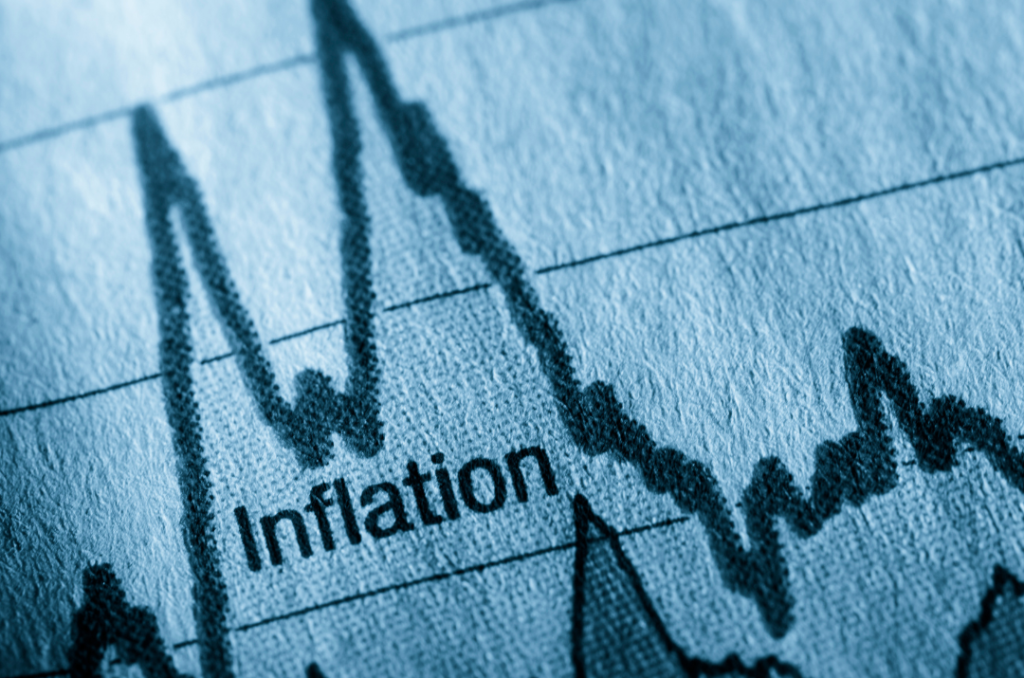
Inflation is one of the most influential forces in economics. It quietly affects the value of money, the stability of markets, and the decisions of governments and central banks. While a moderate level of inflation is a sign of economic growth, uncontrolled inflation—or its extreme version, hyperinflation—can disrupt societies and reshape entire economies.
This article explores what inflation is, its causes, historical lessons from hyperinflation, and how central banks today manage inflation. By understanding both the past and present, we can gain insights into how inflation will continue shaping the global economy in the years ahead.
What Is Inflation and Why Does It Matter?
At its core, inflation refers to the rise in the general price level of goods and services over time. When prices increase, the purchasing power of money decreases. In simple terms, the same amount of money buys fewer products.
The Role of Inflation in Economic Health
-
Moderate inflation (typically 2–3% annually) is often considered healthy. It encourages spending and investment rather than hoarding cash.
-
Deflation (falling prices) can be dangerous, as it discourages spending and slows economic growth.
-
Hyperinflation, on the other hand, destroys trust in money, disrupts economies, and can even lead to political crises.
Thus, inflation is not inherently negative—it is the balance that matters.
Causes of Inflation
Inflation does not occur randomly. Economists generally classify its causes into two main categories:
1. Demand-Pull Inflation
This happens when demand outpaces supply. For example:
-
Strong consumer spending after economic growth.
-
Government stimulus programs.
-
Booming credit markets.
When demand rises faster than production, prices naturally increase.
2. Cost-Push Inflation
This occurs when production costs rise, and companies pass the burden to consumers. Examples include:
-
Rising oil prices increasing transportation costs.
-
Wage increases in key industries.
-
Supply chain disruptions.
3. Built-In Inflation
Also known as the wage–price spiral, this happens when workers demand higher wages to match rising prices, and businesses raise prices further to cover higher labor costs.
4. Monetary Factors
Excessive money printing or low interest rates can devalue currency, fueling inflation.
Lessons from History: Case Studies of Hyperinflation
History offers powerful lessons about what happens when inflation spirals out of control.
Case Study 1: Weimar Germany (1921–1923)
-
After World War I, Germany faced massive reparations.
-
To meet payments, the government printed money excessively.
-
At its peak, prices doubled every few days. A loaf of bread cost billions of marks.
-
Social unrest grew, and trust in the government collapsed.
Lesson: Printing money without economic backing destroys currency stability.
Case Study 2: Zimbabwe (2007–2008)
-
Zimbabwe experienced one of the worst hyperinflation episodes in modern history.
-
Prices doubled every day, with inflation reaching 79.6 billion percent per month.
-
Citizens used foreign currencies (like the U.S. dollar) instead of their national money.
Lesson: Poor governance, corruption, and lack of monetary discipline can destroy economic systems.
Case Study 3: Venezuela (2016–present)
-
Oil dependence, political instability, and government overspending fueled hyperinflation.
-
At its peak, inflation exceeded 1,000,000% annually.
-
Basic goods became scarce, and millions migrated abroad.
Lesson: A weak economy combined with political mismanagement amplifies inflationary crises.
How Central Banks Manage Inflation
To avoid hyperinflation or deflation, central banks use a variety of tools.
1. Interest Rate Adjustments
-
Raising rates makes borrowing expensive, reducing spending and cooling inflation.
-
Lowering rates stimulates spending during recessions.
2. Monetary Policy Tools
-
Open market operations: buying or selling government bonds to control liquidity.
-
Reserve requirements: adjusting how much money banks must hold in reserve.
3. Inflation Targeting
Many central banks, including the U.S. Federal Reserve and the European Central Bank, target around 2% annual inflation. This provides predictability for businesses and consumers.
4. Communication Strategies
Modern central banks use transparency—statements, press conferences, forward guidance—to influence public expectations. Inflation is not only economic but also psychological.
Inflation’s Impact on the Global Economy
Trade and Currency Value
-
Countries with high inflation see weaker currencies.
-
This makes imports more expensive but can boost exports.
Inequality and Wealth Distribution
-
Inflation hurts savers, as money loses value.
-
Borrowers benefit, since debts become easier to repay with cheaper money.
-
The poor often suffer the most because wages lag behind price increases.
Investment and Business Decisions
-
High inflation creates uncertainty, discouraging long-term investments.
-
Businesses may struggle with rising input costs.
-
Stock markets often fluctuate, reflecting inflation fears.
Modern Challenges: Inflation in the 21st Century
Globalization and Supply Chains
Modern economies are interconnected. Disruptions such as the COVID-19 pandemic or geopolitical conflicts (e.g., the war in Ukraine) trigger inflation worldwide.
Energy Prices and Climate Policy
The transition to renewable energy and fluctuations in oil prices affect global inflation patterns.
Technology and Digital Currencies
-
Digital payment systems and cryptocurrencies create new dynamics.
-
Some argue Bitcoin is “digital gold” against inflation, though its volatility limits its role.
Key Takeaways for Policymakers and Citizens
-
Balanced inflation fosters growth, but extremes are dangerous.
-
Hyperinflation is almost always linked to weak institutions and excessive money printing.
-
Central banks play a crucial role in maintaining stability through disciplined policies.
-
Global cooperation is essential, as inflation today is rarely confined within national borders.
Additional Historical Lessons: Beyond Hyperinflation
While extreme cases of hyperinflation dominate headlines, moderate but persistent inflation has also left lasting marks on economies.
The U.S. in the 1970s: The Great Inflation
-
Triggered by oil shocks and expansive fiscal policies, the U.S. faced double-digit inflation.
-
Unemployment and inflation rose simultaneously, a phenomenon called stagflation.
-
Paul Volcker, then Federal Reserve Chair, raised interest rates dramatically in the 1980s, pushing the economy into recession but ultimately restoring stability.
Lesson: Sometimes painful short-term sacrifices are necessary for long-term economic health.
Latin America in the 1980s: The “Lost Decade”
-
Several Latin American nations, including Brazil and Argentina, faced chronic inflation.
-
External debt, political instability, and reliance on foreign borrowing amplified the crisis.
-
Many countries adopted painful reforms, privatization, and IMF stabilization programs.
Lesson: Inflation often intertwines with debt crises and global capital flows.
Japan in the 1990s and 2000s: The Opposite Problem—Deflation
-
After its asset bubble burst in the early 1990s, Japan faced decades of low inflation and deflation.
-
Low consumer spending and an aging population reduced demand.
-
Despite massive monetary stimulus, inflation targets remained elusive.
Lesson: Both high inflation and prolonged deflation carry risks; stability is the ideal balance.
Inflation’s Impact Across Different Sectors
1. Real Estate and Housing
-
Inflation often pushes real estate prices higher, making property ownership attractive.
-
However, rising interest rates to curb inflation make mortgages more expensive, reducing affordability.
2. Labor Market and Wages
-
Workers demand higher wages to keep up with rising living costs.
-
In economies with strong unions, wage–price spirals are common.
-
In weaker labor markets, wages lag, reducing purchasing power.
3. Savings and Banking
-
Inflation erodes the value of savings if interest rates on deposits are lower than inflation.
-
This pushes savers toward assets like stocks, bonds, or real estate.
4. Businesses and Investments
-
Uncertainty in costs reduces long-term investment.
-
Companies may delay projects or increase prices, further fueling inflation.
Competing Economic Theories on Inflation
Keynesian Perspective
-
Focuses on demand as the driver of inflation.
-
Advocates for government spending during downturns and tightening during booms.
Monetarist Perspective
-
Popularized by Milton Friedman: “Inflation is always and everywhere a monetary phenomenon.”
-
Emphasizes money supply control as the key to price stability.
Modern Monetary Theory (MMT)
-
Argues that countries issuing their own currency cannot go bankrupt.
-
Suggests governments can finance spending through money creation as long as inflation is controlled.
-
Critics argue this underestimates inflation risks.
Inflation in the Digital Age: New Frontiers
Cryptocurrencies as Inflation Hedges
-
Advocates claim assets like Bitcoin protect against fiat currency devaluation.
-
However, extreme volatility and lack of regulation limit mainstream adoption.
Digital Currencies by Central Banks (CBDCs)
-
Nations are experimenting with central bank digital currencies.
-
These could give governments more direct control over money supply and inflation.
E-Commerce and Technology
-
Technology often reduces costs by improving efficiency.
-
Online competition can suppress price increases, counteracting inflationary pressures.
Globalization, Geopolitics, and Inflation
Supply Chain Dependencies
-
The COVID-19 pandemic highlighted vulnerabilities in global supply chains.
-
Shortages of semiconductors, medical supplies, and raw materials drove inflation worldwide.
Geopolitical Conflicts
-
Wars and sanctions, such as the Russia–Ukraine conflict, impact food and energy prices globally.
-
Inflation today spreads rapidly across borders.
Climate Change and Green Transition
-
Extreme weather disrupts agriculture and supply chains.
-
Investments in renewable energy may create short-term inflation but provide long-term stability.
Coping with Inflation: Strategies for Individuals and Businesses
For Individuals
-
Diversify Investments: Real estate, equities, and inflation-protected securities (TIPS).
-
Reduce High-Interest Debt: Inflation can raise borrowing costs, so paying off debt early is wise.
-
Boost Skills and Income: Wage growth often lags behind inflation—skills help negotiate better pay.
For Businesses
-
Adjust Pricing Strategies: Use data analytics to manage costs and maintain competitiveness.
-
Hedge Against Volatility: Currency and commodity hedging can reduce inflation shocks.
-
Invest in Productivity: Technology adoption can lower long-term operating costs.
The Future of Inflation: What Lies Ahead?
Demographic Shifts
-
Aging populations in developed nations may reduce demand, lowering inflationary pressures.
-
Meanwhile, younger populations in developing economies may increase demand.
Technological Innovation
-
Automation and AI could keep production costs low.
-
However, supply disruptions in rare materials may create inflationary bottlenecks.
Global Cooperation vs. Fragmentation
-
Strong international coordination (trade agreements, stable supply chains) can stabilize prices.
-
Rising protectionism and economic nationalism could worsen inflationary risks.
The Psychology of Inflation: Expectations Matter
One of the most fascinating aspects of inflation is that it is not only driven by economic forces but also by human psychology.
-
Consumer Expectations: If people expect prices to rise, they tend to buy more today. This behavior itself drives inflation higher.
-
Business Behavior: Companies anticipating higher costs often raise prices in advance, accelerating inflationary pressures.
-
Central Bank Credibility: When central banks clearly communicate their inflation targets and policies, they anchor expectations. This reduces panic and stabilizes markets.
Economists call this phenomenon “inflation expectations.” It explains why trust in monetary authorities is as important as economic fundamentals.
Inflation and Inequality: Who Wins and Who Loses?
Inflation affects different groups of society unequally.
Winners:
-
Borrowers: Debts become easier to repay in “cheaper money.”
-
Owners of Real Assets: Real estate and commodities usually rise with inflation.
-
Governments with Debt: National debt burdens shrink in real terms.
Losers:
-
Savers: Bank deposits lose value if interest rates lag behind inflation.
-
Fixed-Income Earners: Retirees relying on pensions suffer as their income buys less.
-
Low-Income Households: Essentials like food and fuel take a larger share of their budgets, making inflation particularly painful.
This uneven impact means policymakers must balance anti-inflation measures with social safety nets to protect the most vulnerable.
Regional Perspectives: Inflation in Emerging vs. Developed Economies
Developed Economies
-
Have stronger institutions and more credible central banks.
-
Inflation is usually moderate and manageable, except during shocks (e.g., oil crises, pandemic supply chain issues).
-
Example: The U.S. Federal Reserve’s reputation helps anchor expectations even during price surges.
Emerging Economies
-
Often face higher inflation volatility due to weaker currencies, political instability, and dependence on imports.
-
Inflation can quickly spiral into crises when combined with fiscal mismanagement.
-
Example: Argentina’s recurring inflation problems highlight how weak institutions amplify economic shocks.
Global Interconnectedness
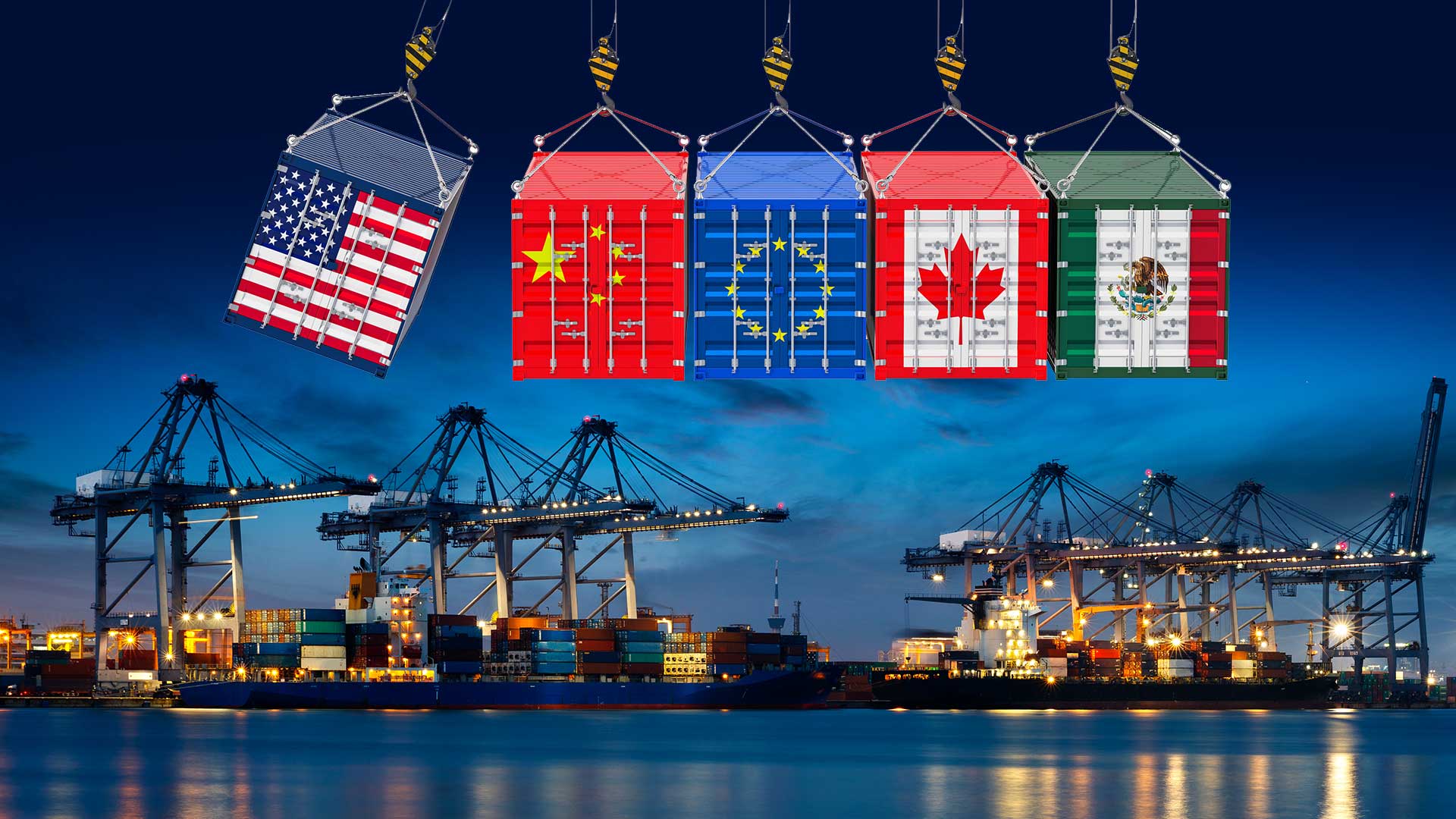
Because trade and finance are globally linked, inflation in one region often spreads elsewhere. Rising energy prices in one part of the world, for example, ripple through global supply chains.
Why Balanced Inflation Matters for Long-Term Growth
Both extremes of inflation—too high and too low—carry risks.
-
Too High: Reduces purchasing power, increases inequality, undermines investment.
-
Too Low or Deflation: Discourages spending, increases debt burdens, and risks stagnation.
The ideal “sweet spot” is moderate, predictable inflation around 2–3%. This encourages economic activity while maintaining stability.
Balanced inflation management ensures:
-
Confidence in Currency Stability.
-
Predictability for Business Investments.
-
Fairer Income Distribution.
-
Resilient Economic Growth.
Inflation is not just a number in economic reports—it shapes how people live, how nations trade, and how societies evolve. By learning from history’s mistakes, strengthening institutions, and embracing innovation, humanity can transform inflation from a destructive force into a manageable driver of progress.
The global economy of the future will continue facing inflationary challenges—from demographic changes to technological revolutions and geopolitical shocks. But with vigilance, adaptation, and wise policy, inflation can remain a signal of growth rather than a source of crisis.
Inflation is not simply an economic statistic—it is a force that shapes history, society, and individual lives. From hyperinflation in Weimar Germany to modern central bank policies, the story of inflation is also the story of human resilience, mistakes, and adaptation.
As the 21st century unfolds, inflation will continue to challenge policymakers, businesses, and citizens. By studying its causes, understanding historical lessons, and preparing for future uncertainties, societies can transform inflation from a threat into a manageable part of sustainable economic growth.
Conclusion
Inflation is both a friend and a foe. It encourages economic activity when moderate but can devastate societies when unchecked. From Weimar Germany to modern Venezuela, history reminds us of the catastrophic consequences of ignoring inflation. At the same time, central banks’ modern strategies show that with careful policy, inflation can be managed to support stable growth.
As the global economy evolves with new technologies, shifting supply chains, and changing energy markets, inflation will remain a central challenge. Understanding its causes, lessons from history, and the strategies used to manage it equips both policymakers and citizens to navigate an uncertain economic future.